Lobbying Is Not a Dirty Word
In honor of the anniversary of the 19th Amendment, why the skills that won women the vote are still among the most underused tools in America
Many Americans carry the same quiet fear regardless of party, gender, or zip code that decisions are being made about their life in rooms they’ll never enter, by people who will never hear their name. This isn’t an unrealistic fear either.
You feel it when a zoning board approves a development that changes your street forever, and you find out after the vote. You feel it when a company you work for gets bought out and restructured by people you’ve never met. You feel it when a law passes that will shape your paycheck, your healthcare, or your kids’ school, and the first you hear of it is a headline announcing it’s already done.
The feeling underneath all of this is the same: where was my input? Power belongs to someone else — someone with more money, more access, more insider knowledge of how the machine actually works. The rest of us are left reacting to decisions instead of shaping them.
That fear is not irrational. And until 106 years ago last week this was true for all women.
The Real Story of August 18th
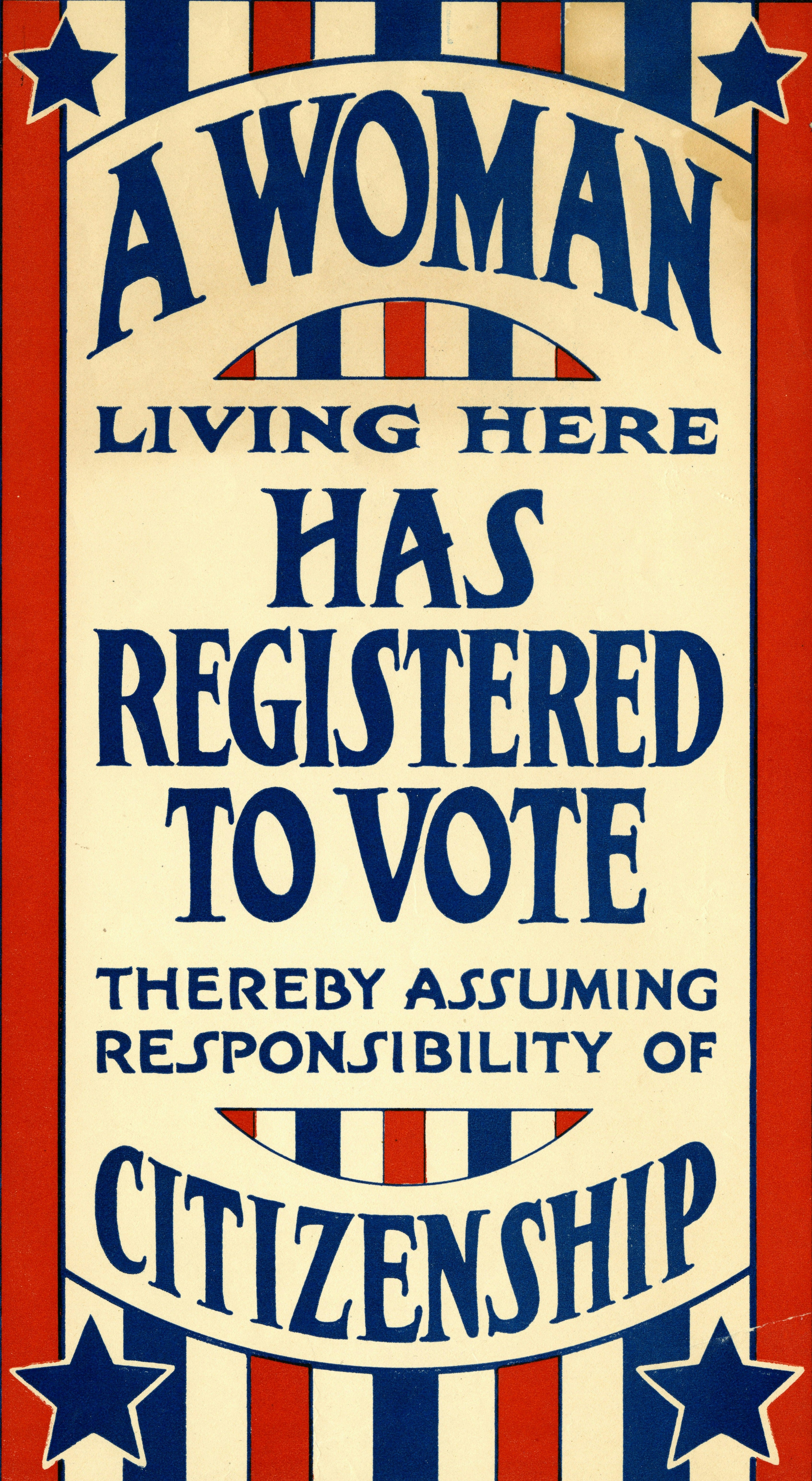
On August 18, 1920, the 19th Amendment was ratified, guaranteeing women the right to vote. The story most of us learned in school is about protest: marches, white dresses, hunger strikes, women dragged out of the White House gates and imprisoned for holding signs.
That story is true. It is also incomplete.
I live a few miles from the Occoquan Workhouse in Lorton, Virginia — the prison where many suffragists were held for the crime of picketing. The building is now an arts center. I once took my kids there on a Saturday to watch a performance of Schoolhouse Rock, on the same ground where women were once jailed for insisting the law apply to them too. The irony was not lost on me.
But what gets left out of the textbook version of the suffragist story is the part that actually won the vote: the vote tracking, the legislative drafting, the procedural maneuvering, and the coalition building across women who disagreed with each other on many other topics except this. It was the unglamorous, deliberate work of connecting with lawmakers, influencing the decision makers who held the actual votes, and leading a coalition through decades of setbacks that converted that pressure into a constitutional amendment.
Elizabeth Cady Stanton, one of the earliest leaders of the suffrage movement, had seven children. She often wrote about balancing motherhood with organizing — she and Susan B. Anthony were writing partners for decades, with Stanton drafting speeches and articles at home between raising her large family while Anthony (who never married or had children) traveled to deliver them.
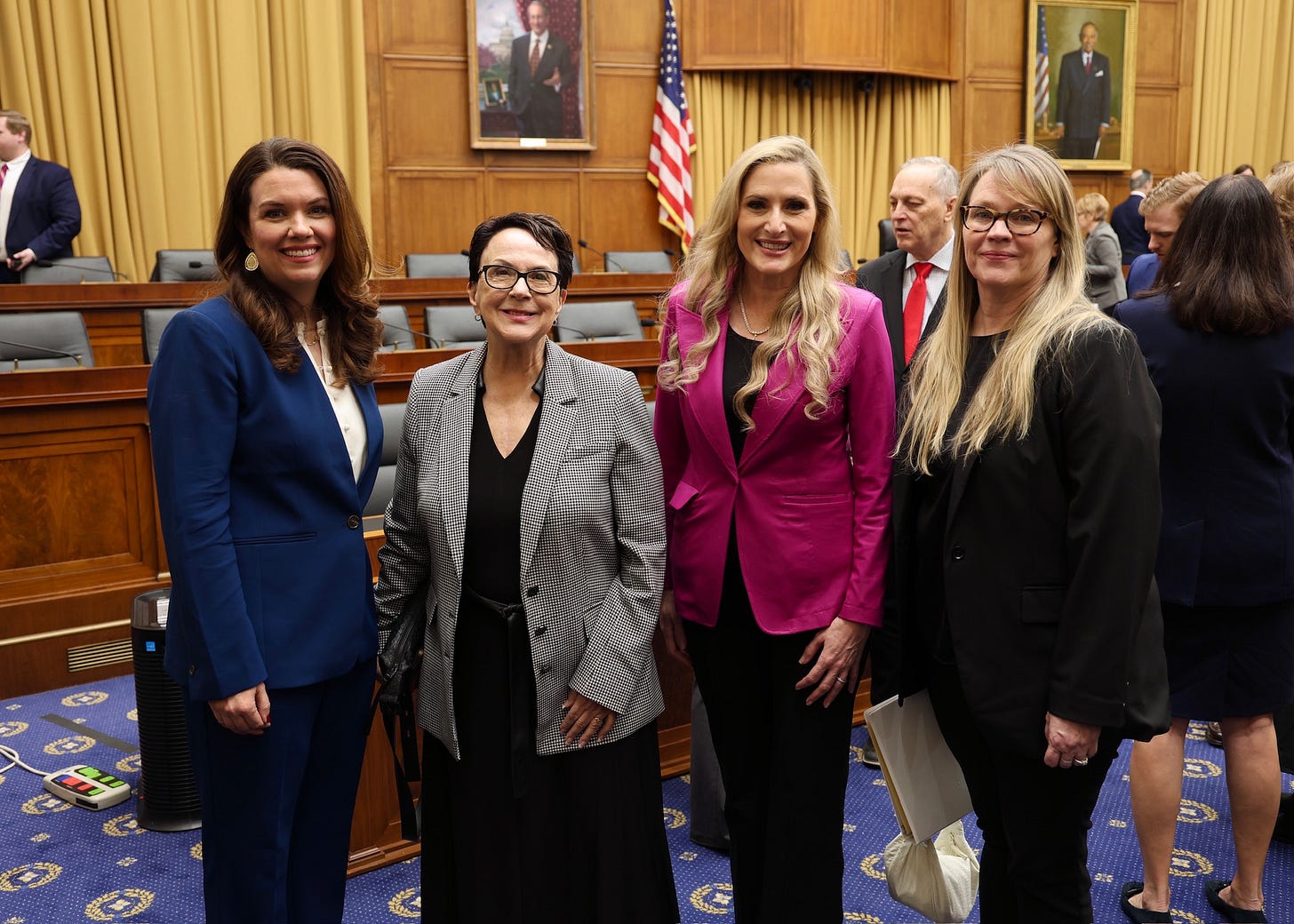
The Civil Rights Act of 1964 and the Voting Rights Act of 1965 followed the same pattern four decades later. What looked on television like a moral awakening was, inside the Capitol, a disciplined campaign of relationship-building and vote-counting — amendments negotiated line by line, votes secured one at a time, coalitions held together under enormous strain.
Neither of these movements succeeded because the cause was righteous. Plenty of righteous causes fail. They succeeded because the people leading them mastered three specific, learnable skills — and used them with discipline over years, not days.
Lobbying: Why This Word Makes Us Flinch
When I started my government relations firm, a lobbyist friend told me, “Welcome to the dark side.” It was a joke. It was also revealing.
The word lobbying conjures a specific image in most Americans’ minds: backroom deals, expensive dinners, corporate interests buying outcomes the public never agreed to. That version of lobbying exists. It deserves scrutiny.
But the fixation on that version has created a dangerous blind spot — the belief that influencing policy is something other people do to us, rather than something we are equally entitled to do for ourselves. The word itself dates back to the lobby of the Willard Hotel, two blocks from the White House, where ordinary petitioners once lingered hoping to catch a few minutes with President Ulysses S. Grant. Long before that, Roman citizens petitioned magistrates and English subjects brought grievances to Parliament. By the time the framers of the Constitution wrote the right “to petition the Government for a redress of grievances” into the First Amendment — tucked quietly between freedom of speech and freedom of religion — the idea was already ancient.
Lobbying, in its truest and oldest sense, is not a corruption of democracy. It is one of its essential mechanisms. And the skills underneath it — connection, influence, and leading change — were never the exclusive property of people with money and access. They are the same three skills the suffragists used from a jail cell.
The Industrial Revolution Propelled the History Change
This day created a cascade that is still rippling through policies today. It isn’t a women’s issue, and it isn’t a partisan one. It’s a human one. In fact, it was largely a Christian effort because women who were raising their children at home wanted the same authority to influence morality codified in legislation. The campaign came on the heels of the Industrial Revolution which shuttered many home based or cottage businesses and sent men traveling to factories away from their families during the day, and then visiting the bars on the way home from work. Men in America who had once been leaders in their homes and churches at the founding of the nation were now largely absent. Within a few decades women demanded increased authority comensurate with their increased moral and childrearing role in the home.
Every American — regardless of gender, income, religion or political affiliation — eventually runs into a system that isn’t working for them: a regulation that punishes small business owners while large ones absorb it easily, a school policy that no parent asked for, a permitting process that quietly favors whoever already has a lobbyist on retainer. Men and women alike feel the same helplessness when they realize the system was shaped without them in the room.
The suffragists didn’t have institutional power. They didn’t have money that rivaled the interests arrayed against them. What they had was the success skills to build relationships with the people who could vote, to make a specific and credible case to the people who could act, and to lead a coalition long enough to see it through. These are skills that can be studied, practiced, and used by anyone — a parent pushing back on a school board decision, a small business owner navigating a regulatory change, a neighbor trying to get a stop sign installed at a dangerous intersection.
August 18th is usually remembered as a day about women and voting. It deserves a wider legacy than that.
It is a reminder that the people who feel most locked out of power are often the ones who go on to change it — not through moral outrage alone, but through the patient, disciplined work of connection, influence, and leading change. The suffragists didn’t wait for someone to hand them a seat at the table. They built the skills that invited them to pull up a chair.
The same tools that got a constitutional amendment ratified in 1920 are still available now, to anyone willing to learn them. And that’s what Keys to the Room is all about…
Originally published in How Power Moves on Substack: https://howpowermoves.substack.com/p/lobbying-is-not-a-dirty-word