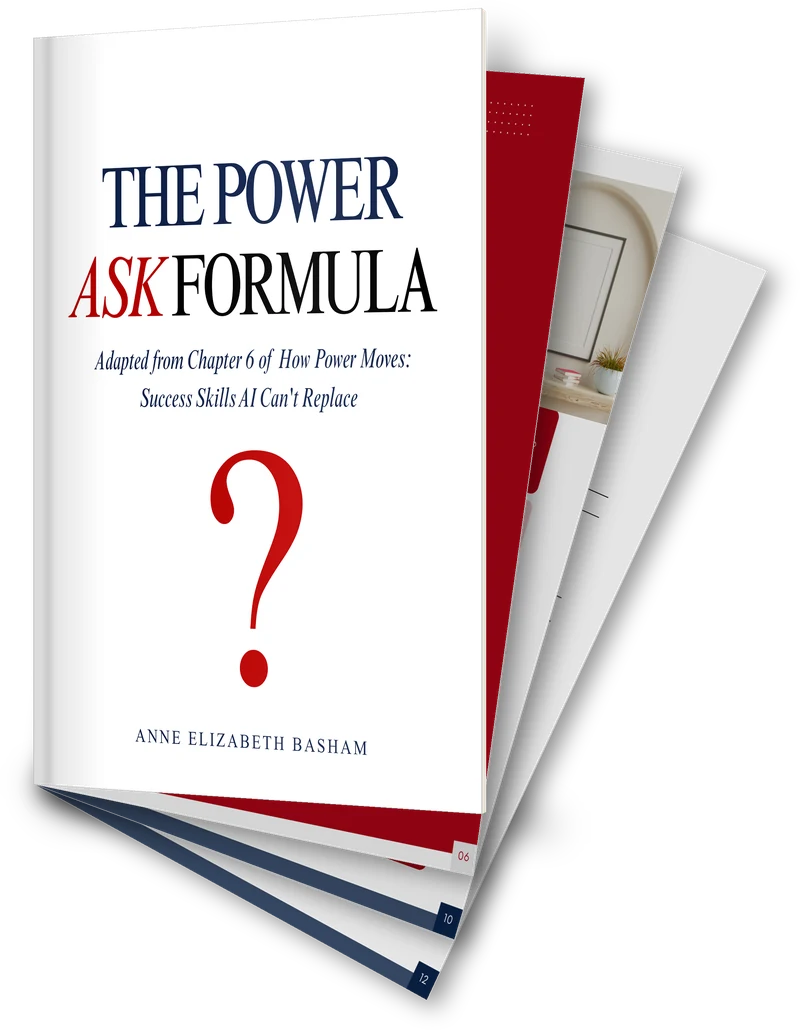
What I wish I’d known before starting my career in Washington: skills AI can’t replace to connect, persuade and lead well
Welcome to How Power Moves
Have you ever sat across from someone and known—before you said a word—that the answer was already no? Have you ever wished you knew how to build trust with your boss, a high-level leader, or a new connection in your personal life? Have you ever watched a good idea die in a meeting, not because it was wrong, but because you didn’t know how to move it forward successfully?
How Power Moves is a blueprint for the success skills that AI can’t replace - connection, persuasion and leadership — at work, at home, and in your community drawn from the highest-stakes influence laboratory in the world: government advocacy. This is rare nonpartisan look at the the mechanics of connection, persuasion and leadership that apply to all of our lives.
My start in politics was almost an accident. I took an internship with a U.S. Senator in college mostly for the double credit. I was barely twenty-one when I found myself in the same room as the Chief of Staff to the President, the Prime Minister of Israel, and officials I’d only seen in headlines.
From that seat, I watched closely: who walked out of a meeting with what they came for, and who walked out with nothing. Who got the follow-up call returned. Who could actually move a decision maker, versus who could only inform one.
It wasn’t about always about wealth or titles. What separated the two groups was often quieter: how they communicated, the relationships they’d already built, the way they told their story, and how well they understood the person across the table.
I watched this play out early in my career with the Crime Victims’ Rights Act — legislation that reshaped protections for crime victims and now channels roughly two billion dollars a year into victim assistance and support programs. It didn’t pass because the idea was self-evidently good. It passed because advocates and survivors showed up again and again with relationships often built before anyone knew they’d need them. That bill taught me how influence actually works.
Watching the Law Grow Up
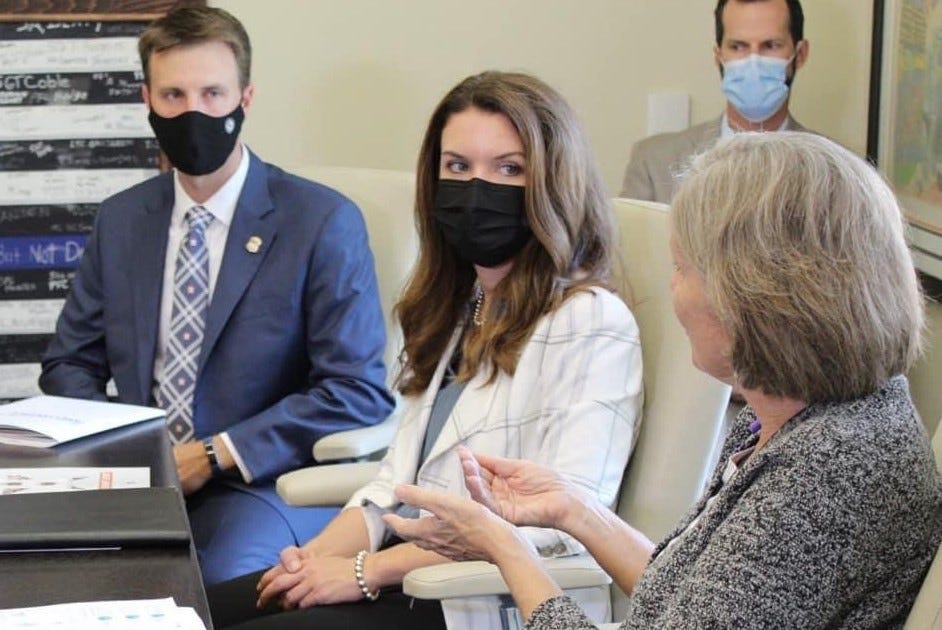
Department of Justice Roundtable on domestic violence in Texas
About fifteen years later, I ended up back inside that same story from a different angle — as Senior Advisor at the Office for Victims of Crime, the federal office that law had created. My job was overseeing how it was actually being carried out, which meant seeing the distance between what a law promises on paper and what it delivers.
I traveled the country, sitting with government leaders, nonprofit CEOs, and then with survivors themselves in roundtables, offices, and the shelters where they lived and worked. I heard the real version of the story, not the one cleaned up for a memo.
I’d watched this law get born. Now I was watching it come of age. Then I noticed a pattern kept repeating: people doing the most urgent work were often the least equipped to navigate the systems meant to help them. Organizations with the most efficient missions sometimes had the least access. People with the most powerful stories had no idea how to get them in front of someone who could act.
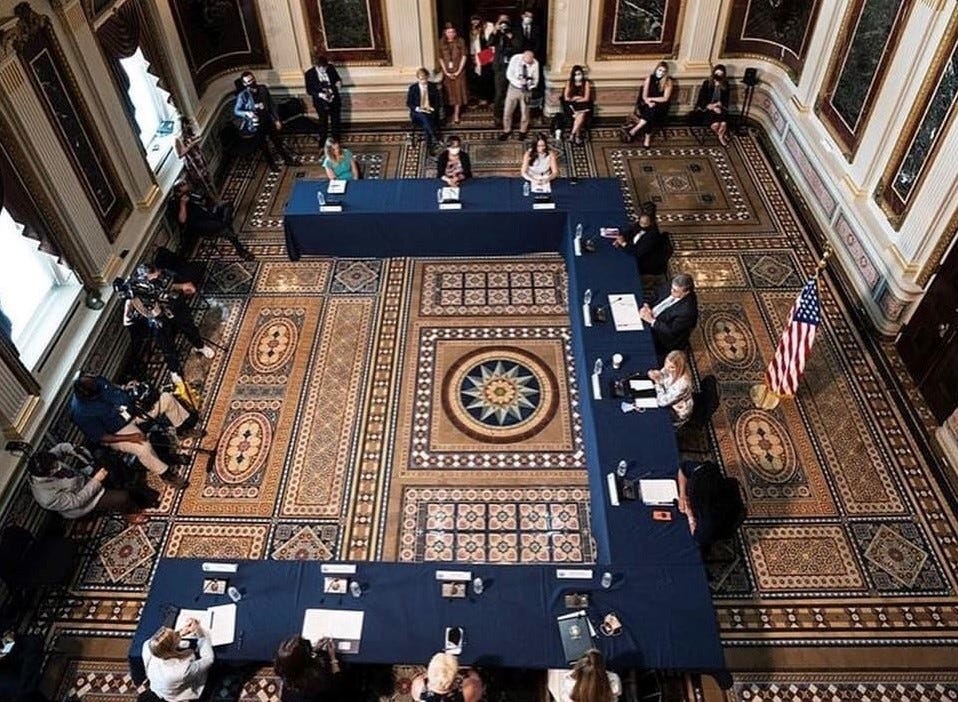
Official White House Photo by Joyce Boghosian
What would you ask for from Washington?
That gap is why I started Ascend Consulting DC. I knew what I wanted to build before I left my federal role: a firm that helped mission-driven leaders get their story in front of the right people, through grants and government relations, from someone who’d actually worked inside the building. I understood how grants got written and selected and the unwritten culture of Congress and federal agencies by living inside both.
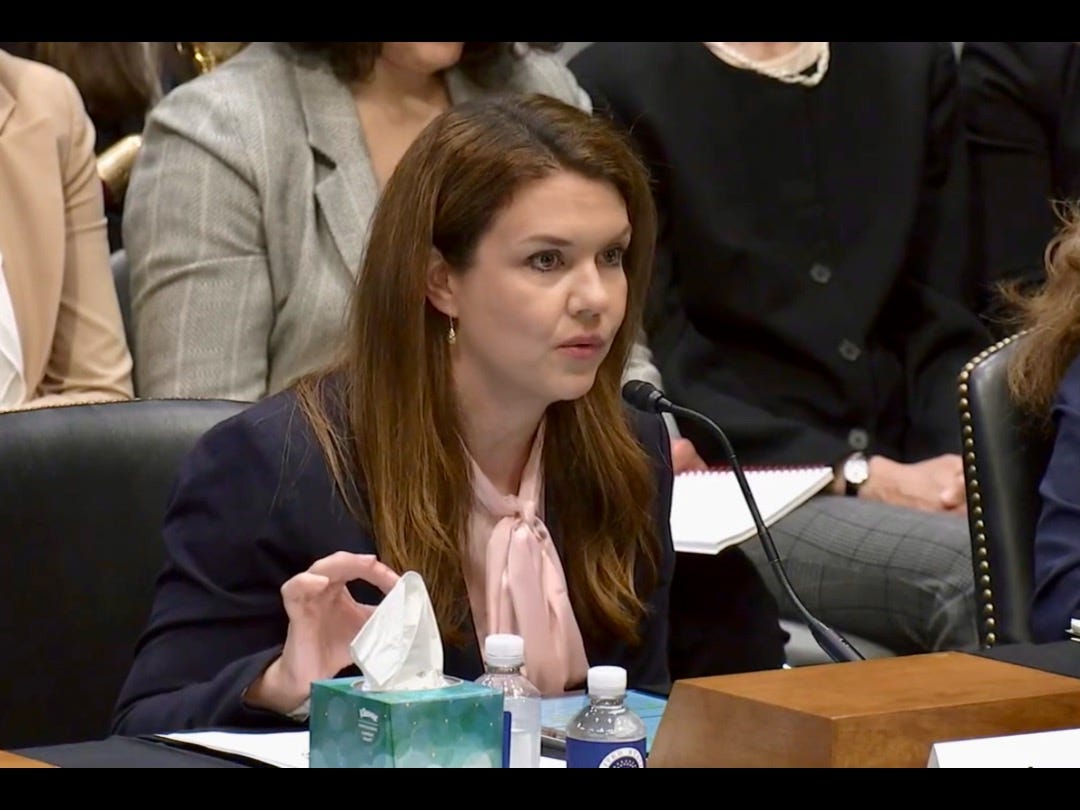
Senate Judiciary Committee hearing
Ascend became everything I’d learned stitched together — years in Congress, a global advocacy career, and a senior federal post inside one of the government’s largest grant-making agencies. The blind spots I’d spent years cataloging, I could finally close. I could translate the bureaucratic language that shut good organizations out. The relationships that take years to build, I’d already spent a career building.
Around this same time, I also started a nonprofit, the Interparliamentary Taskforce on Human Trafficking — the first coalition of lawmakers from around the world working jointly to stop the fastest growing criminal enterprise in the world.
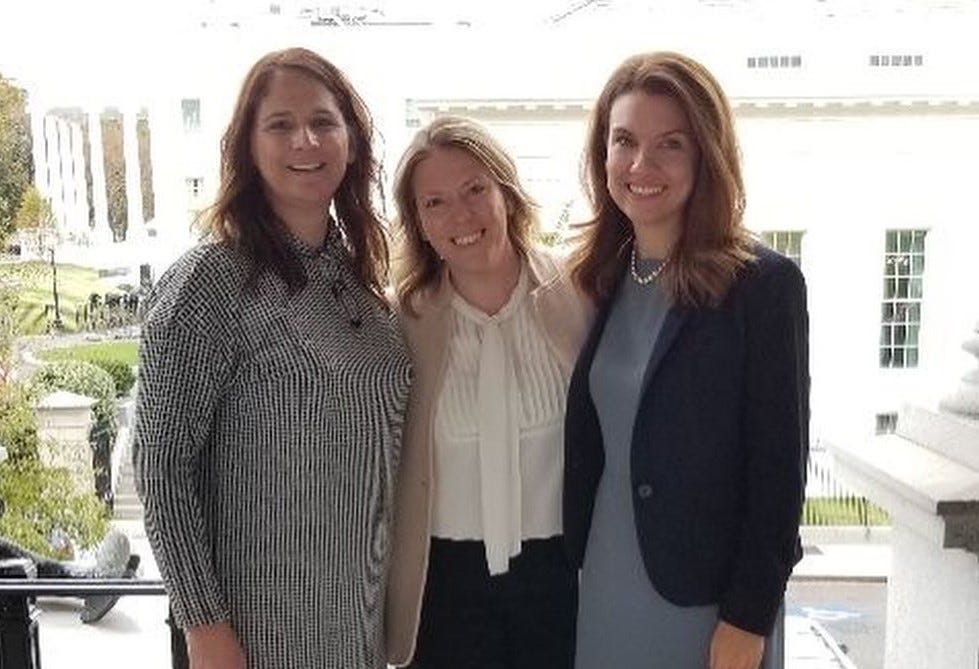
White House advocacy on behalf of Yazidi victims of trafficking
The Most Compressed Influence Laboratory in the World
Government advocacy isn’t a tool reserved for the powerful. It’s one of the few truly democratic instruments available — open to anyone willing to build a strong case, invest in relationships, and ask at the right moment. I’d go further: it’s the most compressed, highest-stakes influence laboratory that exists.
Nowhere else has that same density of competing interests, time pressure, and consequences for getting it wrong — or right. In Washington, the gap between a good idea and a passed bill comes down to relationships, timing, storytelling, and the patience to keep showing up until you can ask the right person at the moment they’re able to say yes. It’s relational work, and anyone can learn it.
That’s what Power Moves is about: how a “no” becomes a “yes.” How coalitions form, and why they fracture. How a lived-experience testimony moves a room that a policy brief can’t. How the follow-up almost nobody sends is the one that closes the deal.
None of it is exclusive to Washington. The same principles apply to the executive navigating a resistant board, the manager influencing upward without formal authority, the nonprofit leader with an urgent mission and thin resources, the organizer who knows what needs to change but not how, the parent trying to move a school board.
Washington is just the lab. The lessons belong to everyone else.
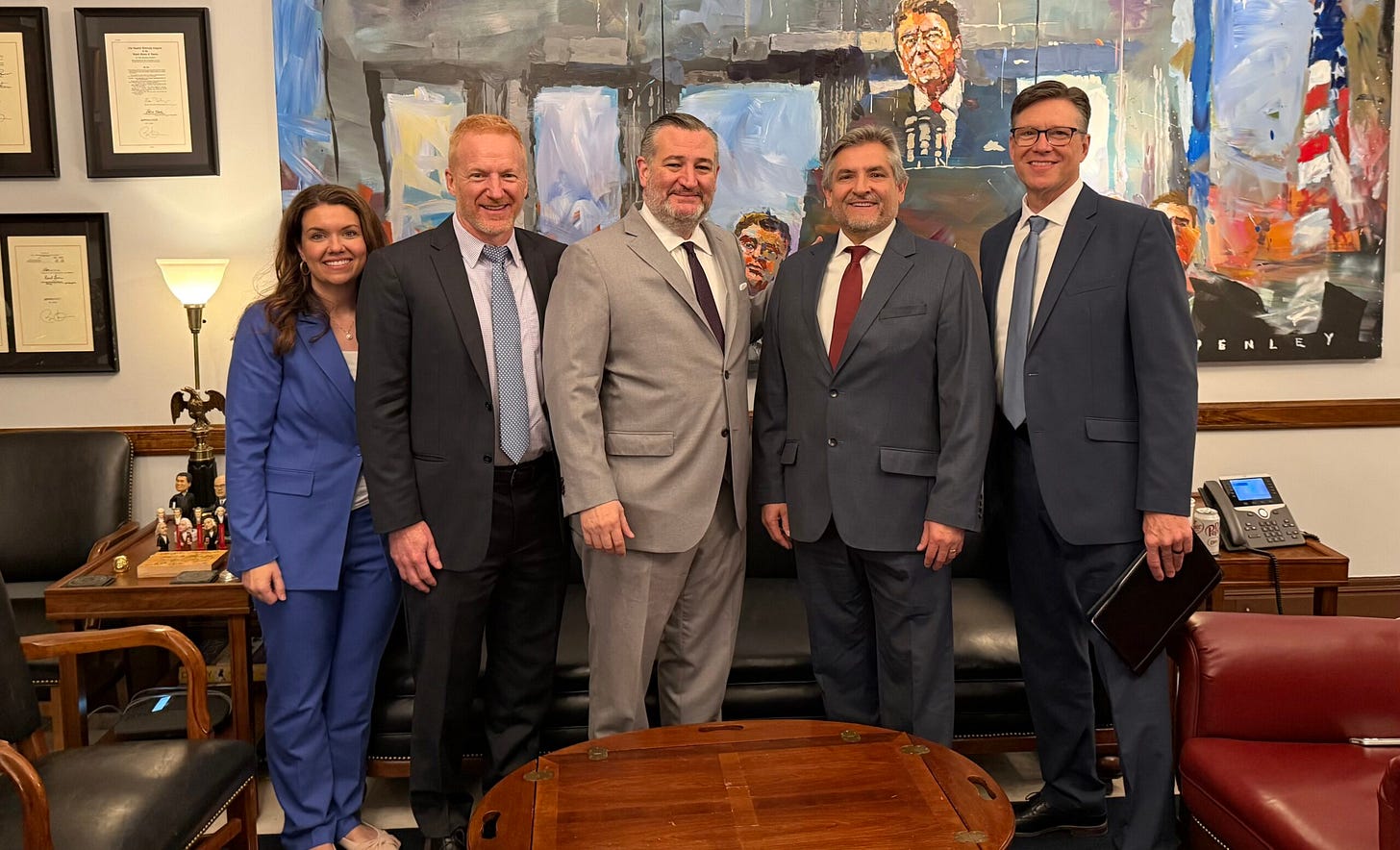
U.S. Senate advocacy with a client
You Are the Main Character of This Story
You already have the power to change your company, your community, and perhaps the world, but most people never fully use it. It’s not always because of a lack of courage, but nobody ever gave them the map: what power looks like in motion, what to say and when, how to keep a conversation alive until the timing lines up.
I’m writing Power Moves for anyone who wants practical leadership tips and wants to extend their reach. This is a nonpartisan apolitical newsletter from inside Washington – and yes that is rare! It’s about the mechanics of leadership, high-level influence and systemic change, not opinions about the policies that are changing (there’s plenty of that out there). I trust these principles because I’ve stood on both sides of them: in the government role being asked, and on the outside doing the asking.
I had no idea that an internship in college would become the start of a career that carried me from a Senate office to a global convening in London to a hearing room where one eight-year-old’s story sparked a national movement. Keys to the Room is the newsletter with skills I wish someone had handed me in my early twenties - and now I’m handing to you.
What Happens Here Every Week
Every week you can expect topics focused on three main pillars:
Connecting Well — how the most influential people build real trust and rapport, at work, at home, and in their community
Influencing for Good— the relationships, timing, and trust that get a “no” turned into a “yes”
Leading change — how institutions and skeptical rooms actually shift
These principles work, and anyone can learn them. They’ll change not only your life but the world around you.
To your success,
— Anne
P.S. Hit reply and tell me: where in your life do you wish you had more influence?
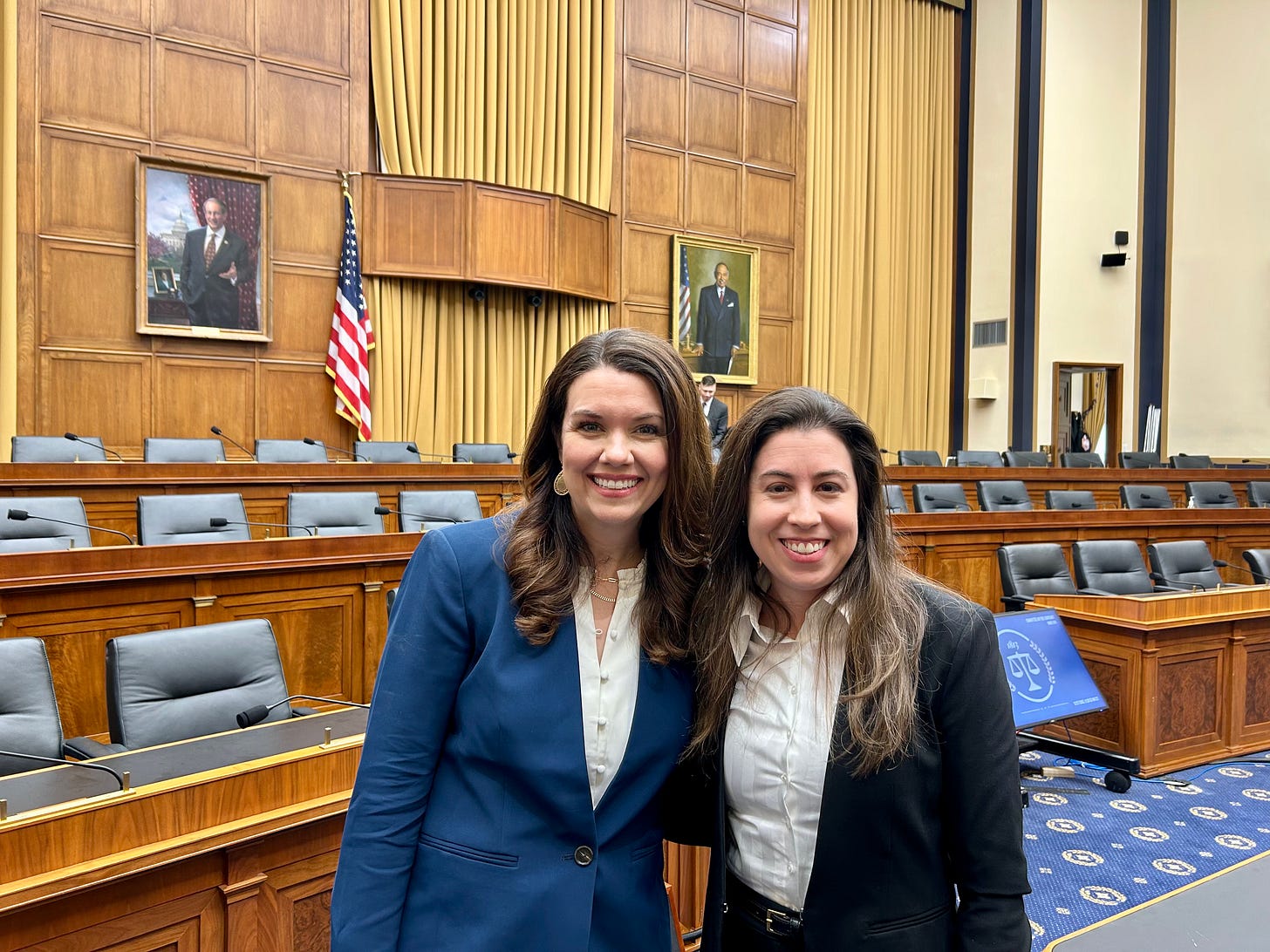
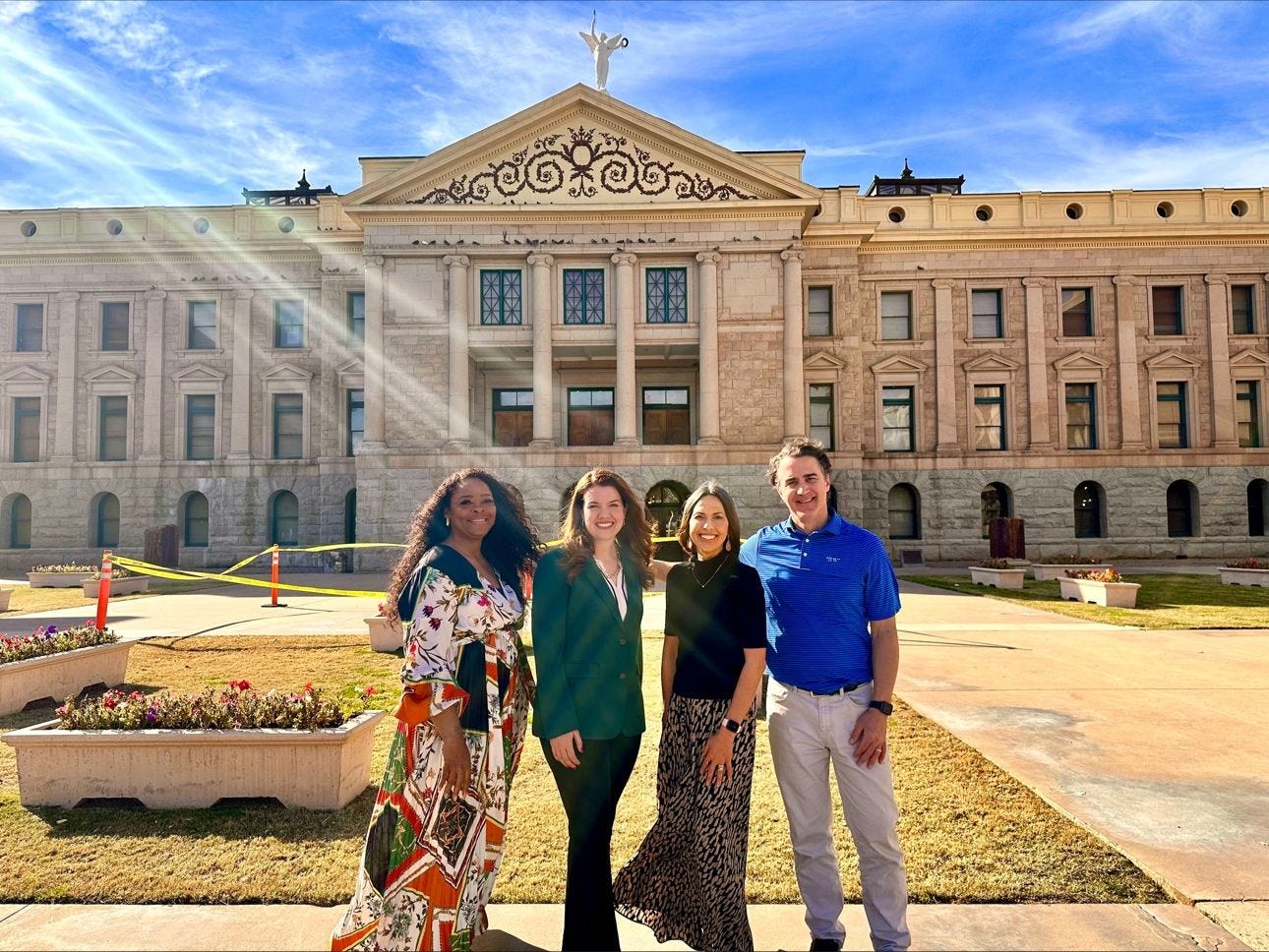
U.S. House of Representatives with a client after testifying (the bill was passed into law later that year!)
Originally published in How Power Moves on Substack: https://howpowermoves.substack.com/p/what-i-wish-id-known-before-starting