
Who Gets Through the Door? The Wiles Exit and the Real Price of Access
Power Moves Friday: Five minutes to know what changed in Washington and how to act on it
This has been an unprecedented week of shutdowns - from Outlook to Workday to all US flights - and in the White House lobbyists got shut down too.
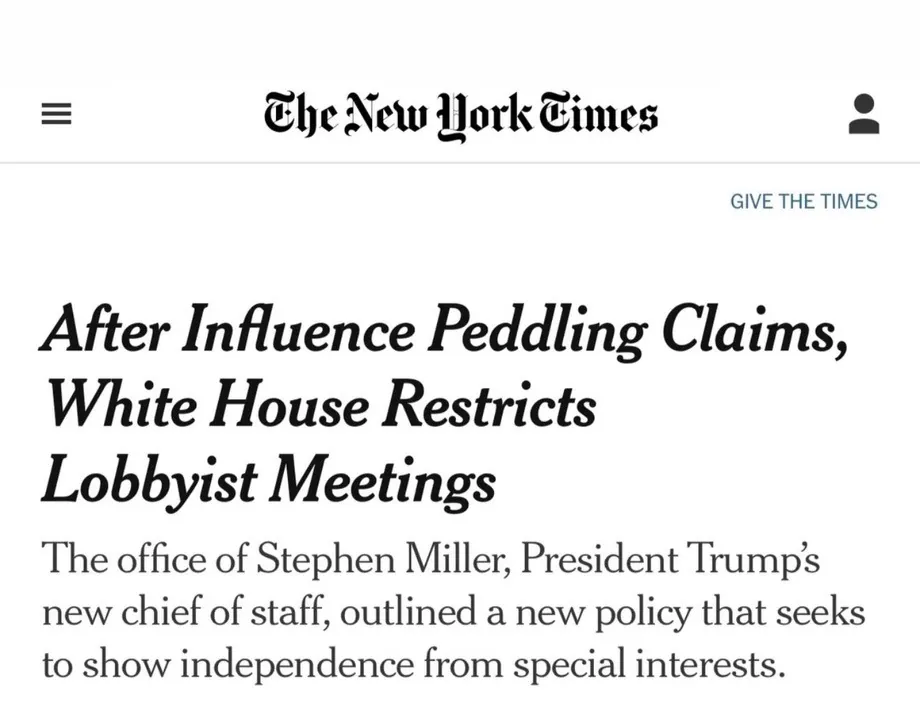
In Washington, the most powerful person you have never voted for is often the one who decides who gets into the room. This week that person changed. Susie Wiles is out as White House Chief of Staff and Stephen Miller is in, and her exit came wrapped in allegations about money, lobbyists and special interests.
This issue looks at what happened, why it matters, and what it means for anyone who wants their voice heard in Washington, including those whose candidate lost on November 3.
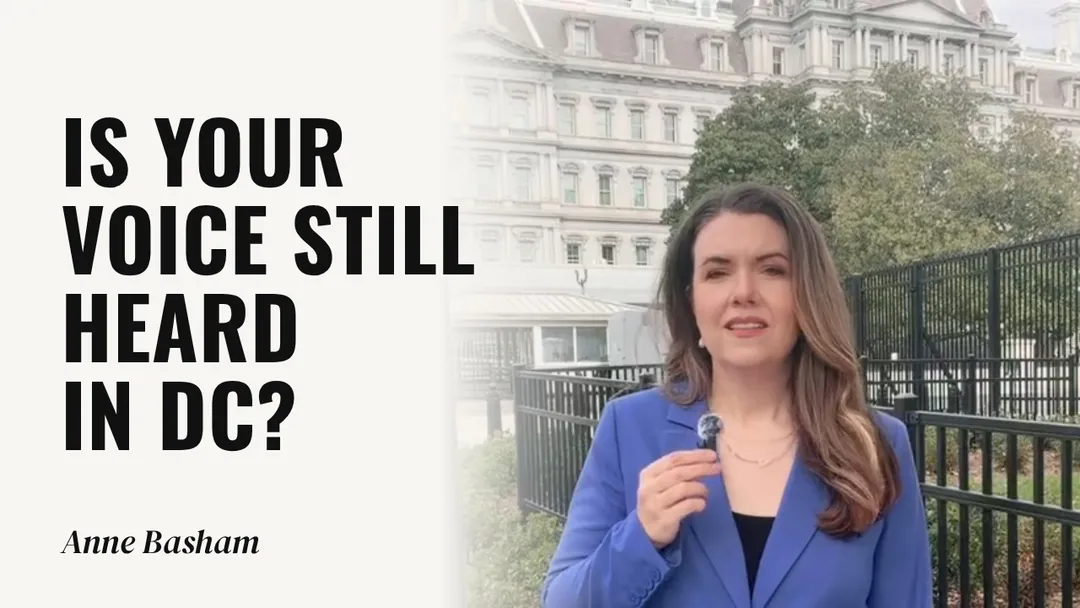
You can watch my full analysis here on my YouTube channel.
What happened: Wiles out, Miller in
On November 6, President Trump named Stephen Miller as White House chief of staff, replacing Susie Wiles. Wiles, the first woman to hold the job, had resigned the night before, days after Republicans' heavy midterm losses. Miller took over on November 9.
The timing drew attention. Wiles announced her resignation roughly an hour after a former administration insider aired sweeping accusations against her on Joe Rogan's podcast.
Miller is already changing how the White House runs. A memo circulating this week says Cabinet secretaries will have more control over their own messaging, and that policy will move through a clearer process with no overlapping portfolios.
Why special interests are at the center of the story
The accusations came from Calley Means, a former White House adviser and ally of Health Secretary Robert F. Kennedy Jr. who resigned last month. Means told CBS that President Trump had been subverted by people beholden to special interests, and said he wanted Wiles removed.
His central claim is that Wiles put fundraising ahead of policy. He said she was focused on making sure special interests were contributing financially to the administration and the party before the midterms, and that she blocked health priorities as a result. He also claimed:
- Tobacco lobbyists got a lunch with the president. CBS confirmed that tobacco lobbyists were at the president's golf course and pushed him on e-cigarette rules; Means claims Wiles set up the meeting.
- Hiring the right lobbyist bought priority. Means alleged that companies that hired Wiles' daughter as a lobbyist received higher priority from the administration.
- Industry pressure softened health rules. He accused Wiles' team of caving to intense lobbying from the kratom industry to ease proposed restrictions.
The dark side of lobbying, and the side that works for you
We're a government relations firm and what's alleged this week is the dark side of our profession. Whether or not each claim holds up, it describes a version of Washington where access depends on who you pay, not on the strength of your case.
Legitimate advocacy looks very different. Done properly, it brings lawmakers facts, expertise and the real-world solutions from the constituents and companies they serve. It also informs them of the impact of their decisions. Federal lobbyists must register and disclose who they work for and what they lobby on. And the most persuasive voice in any meeting is still a constituent with a clear story and a specific ask.
The lesson for you: you don't need a back door. You need to know which door to knock on, when, and what to say once you're inside.
So what? Your vote was the start, not the finish
You voted this month on issues that matter to you. Whether your candidate won or lost, the decisions on those issues are still being made, and right now the people making them are new, distracted and looking for help. Here's how to make sure your voice is part of it.
- Find your people. Identify your two senators and your representative, plus the committees that handle your issue.
- Bring your story and your numbers. Explain how the issue affects your business, your employees or your community.
- Build or join a coalition. Partner with others who share your goal, including people who voted differently from you.
Forward this to a colleague who wants a say in what happens next.
To your success,
Anne
Anne Basham
CEO of Ascend Consulting DC
PS: Subscribe to my Instagram and YouTube channels for more tips and updates.